01 · The Platform
An electric superbike, built from the battery out — the prototype hit 275 km/h with 200 km of range. I led electronics and battery systems on the founding team.
- The Platform: An electric superbike, built from the battery out — the prototype hit 275 km/h with 200 km of range. I led electronics and battery systems on the founding team.
- Cells and Modules: Samsung 18650 25R cells grouped into serviceable modules — a 320 V / 320 A architecture. The modularity decisions drove cost, serviceability and how the pack could be built and repaired.
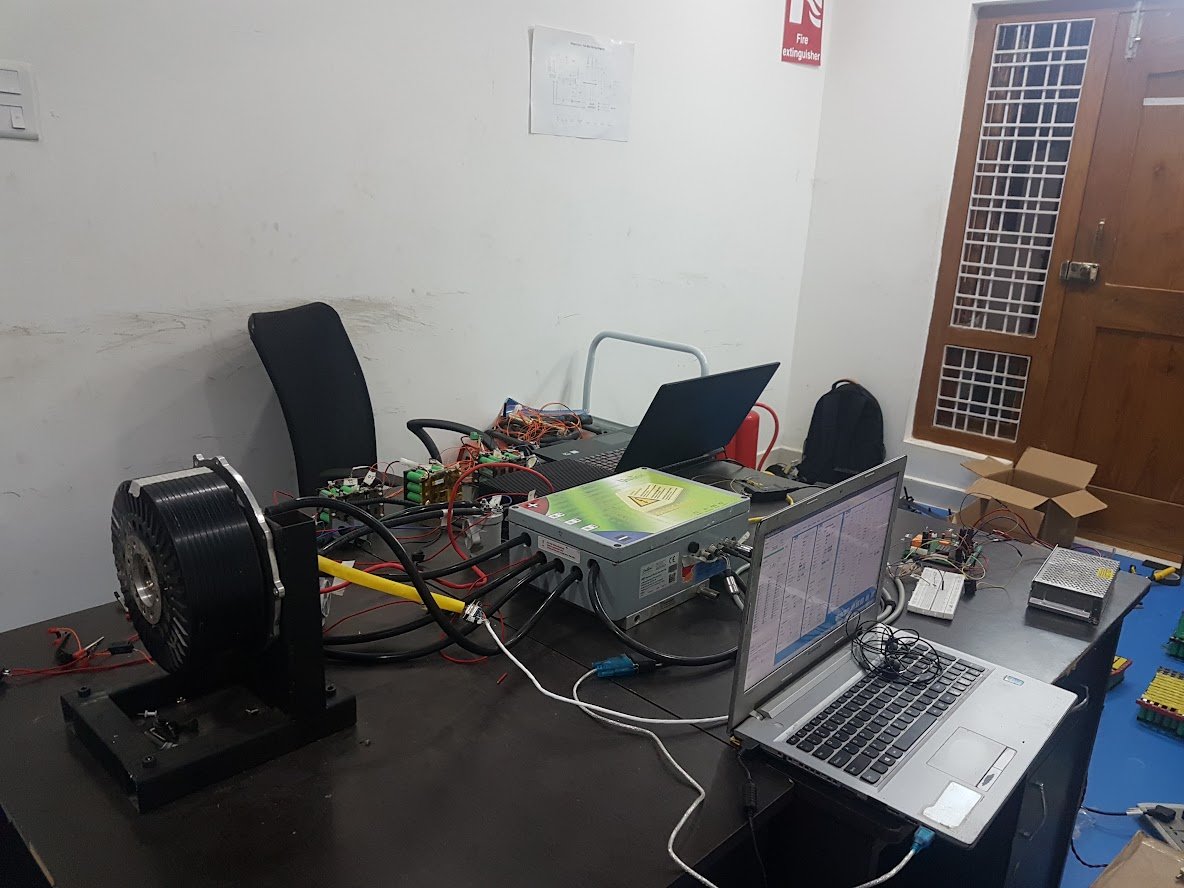
- The BMS: The battery management system watches every group — voltages, temperatures, balance, faults. An Orion BMS supervised the running pack while our own boards matured; the board design files are on this page. This is where most of my work lived.
- Motor and Integration: An EMRAX axial-flux motor driven by a UniTek Bamocar D3 controller, tied into the pack and vehicle. Engineering that had to survive the road and an investor's diligence alike.
Rizel Automotive · 2017–2020 · Mobility and Engineering
Rizel Automotive: EV Systems, Product Development and Funding
Head of Electronics and Battery Systems, Founding Team
On the founding team of an electric superbike company I led the battery and electronics systems, and carried them from a blank sheet to a working platform and a funded company. Our component strategy was deliberate. We proved the platform on the best available parts from proven suppliers, then began bringing the technology in house.
Context
An early-stage EV startup building a high-performance electric motorcycle from scratch: no existing platform to borrow from, a tight budget, and an investor timeline. Someone had to make the battery, electronics and controls real and make them defensible to engineers and investors alike.
My responsibility
Head of Electronics and Battery Systems, founding team — leading a small electronics and battery group and owning the technical narrative for the raise.
What I did
- Battery pack architecture and a modular high-voltage design built for serviceability and manufacturability
- A modular battery management system — cell monitoring, balancing, fault handling and battery-health logic — across multiple board revisions, with an Orion BMS supervising the running prototype
- EMRAX motor and UniTek Bamocar D3 controller integration with the pack and vehicle
- Component strategy — Samsung 18650 25R cells, EMRAX motor, Orion BMS, Bamocar D3 controller: proven components to validate the platform
- CAN bus, diagnostics and telemetry across the vehicle systems
- Thermal management and vehicle-systems integration
- Manufacturing-readiness planning and supplier evaluation
- Investor and technical-commercial materials, and Series A diligence support
- The braking-control invention I conceived — perfected with co-inventors across disciplines, filed as 201941039046
Technical scope
- ≈89S32P pack (≈2,850 Samsung INR18650-25R cells, ≈25.6 kWh) — copper-busbar module links, nickel-strip cell welds; BMS monitoring, balancing and fault handling
- EMRAX axial-flux motor with UniTek Bamocar D3 (PMSM) control; power electronics; CAN diagnostics
- Thermal paths and serviceability / manufacturability decisions
- Multiple BMS PCB revisions taken from prototype toward production intent
Commercial and operating scope
- Translated engineering into the product roadmap, budgets and procurement plans
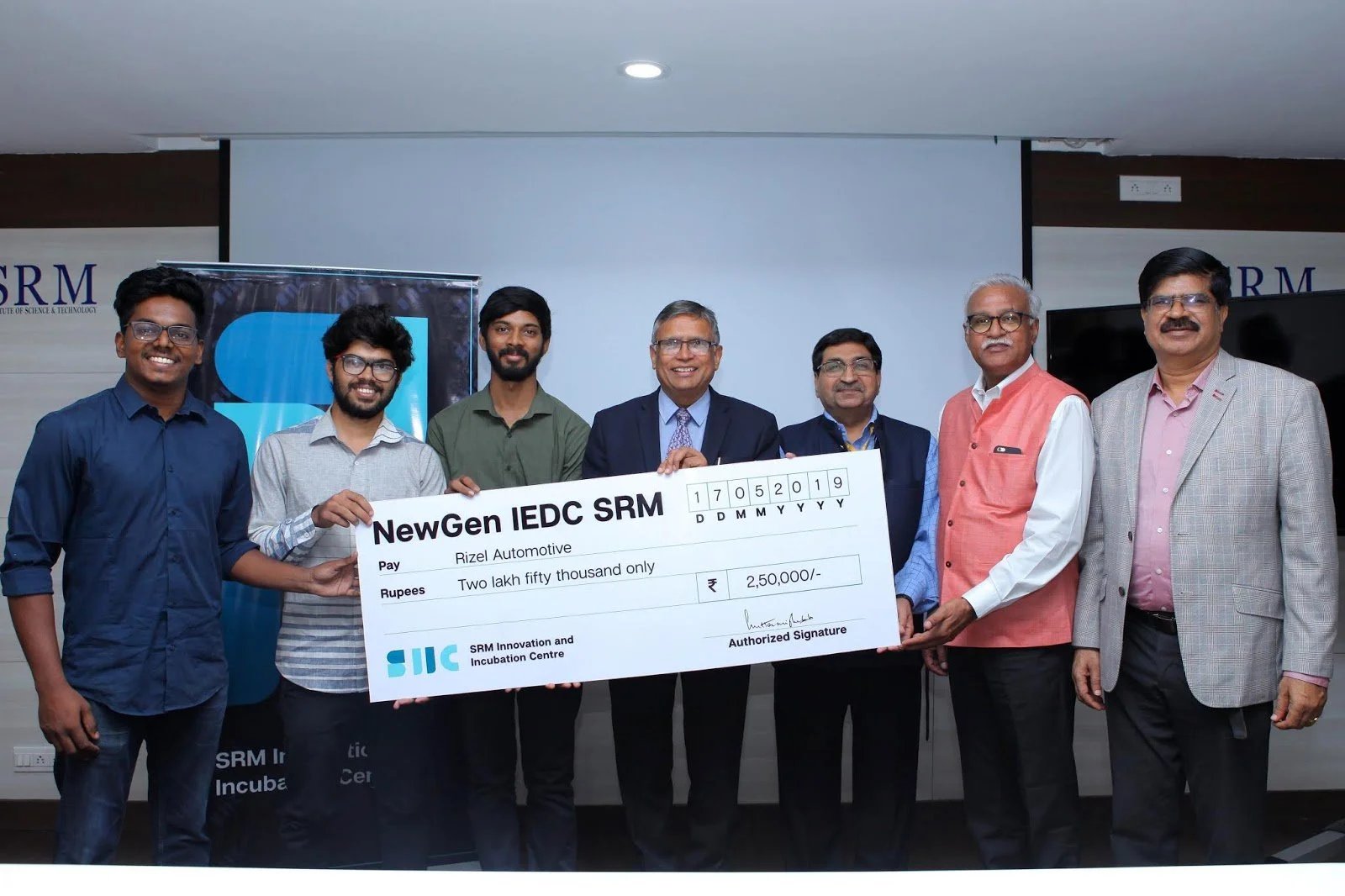
- Built the investor-facing technical and financial story behind a USD 25 million Series A
- Supported technical diligence; conceived the braking-control invention filed as 201941039046 (utility + design)
- 1st place, Altair Startup Challenge 2020 (Startup India × Altair)
How the work ran
Architecture first, then prototype BMS boards through several revisions, motor and controller bring-up, pack assembly, vehicle integration, and finally the technical diligence that a funding round demands.
Outcome
A prototype that hit 275 km/h with 200 km of range ridden at speed, a company that closed a USD 25 million Series A on a technical story I helped build, 1st place in the Altair Startup Challenge 2020, and a braking-control invention I conceived on public file. The in-house motor programme we started in my tenure continued after I left in 2020 — it grew into Abhinava Rizel's Hybrid SynR-PM platforms (1–300 kW, 48–800 V), which are the company's own work.
Pack architecture
Cross-cutting: thermal paths · CAN diagnostics and telemetry. Pack: ≈89S32P on Samsung INR18650-25R cells — 320 A continuous at a ~10 A-per-cell design point, half the cell's 20 A rating, deliberate thermal margin. Interconnects: copper busbars between modules, nickel strips across cells in molded holders. A UniTek Bamocar D3 drives an EMRAX axial-flux motor; Orion BMS supervision alongside the in-house boards on this page.
320 V
pack voltage
320 A
continuous current
≈89S32P
≈2,850 cells
≈25.6 kWh
nominal energy
275 km/h
prototype top speed
200 km
range, ridden at speed
The BMS earned its trust through the safety chain and through bring-up. One revision taught the lesson best: a cell-group measurement that read fine at rest drifted under load, so a real imbalance was being under-reported — exactly the failure a BMS exists to catch. The next board tightened the sensing and the fault thresholds around it. Board bring-up is a loop of small, humbling corrections like that.
The pack taught its own lessons. The metal casing gave us static and grounding trouble before we tamed it. And in the early builds, one bad cell meant hours of unpacking and repacking the whole assembly — which is why the later designs made modules swappable and genuinely serviceable. Serviceability was not a slideware value; it came from losing evenings to a single dead 18650.
Component strategy
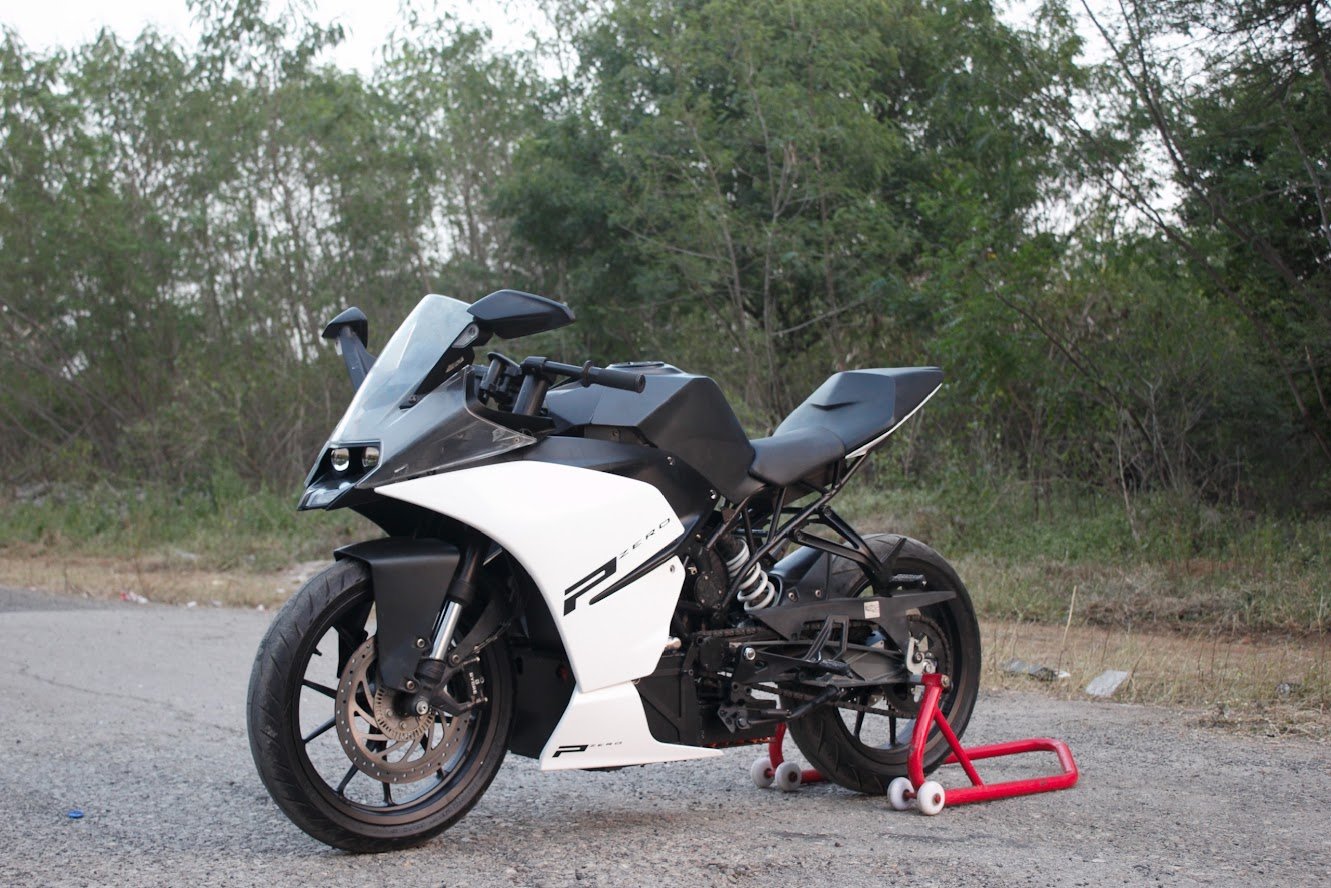
We proved the platform on the best available components before building our own: Samsung SDI cells from Korea, an EMRAX motor from Slovenia, an Orion BMS from the United States and a UniTek Bamocar D3 controller from Germany. That approach produced P ZERO, the prototype photographed on this page. It hit 275 km/h, and its 200 km range figure was ridden hard at speed rather than on an economy cycle. The program took first place in the Altair Startup Challenge 2020, run by Startup India and Altair.
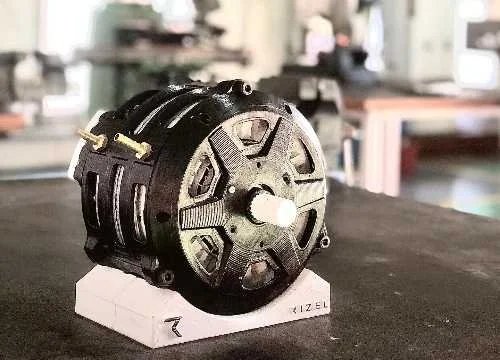
The in-house motor programme started during my 2017–2020 tenure — the motor prototype photographed on this page is from that period. After I left, the company continued that work and, as Abhinava Rizel, now builds its own Hybrid SynR-PM motor platforms (1–300 kW, 48–800 V). The origins I claim; the current platforms are theirs.
Public record: the Rizel Automotive startup story (SRM IIC, includes the Altair Startup Challenge 2020 win) · abhinavarizel.com · patent filing 201941039046 (searchable on IP India).
What I owned, and what the team owned
I owned
- Battery pack architecture and the modularity decisions
- The battery system — Orion BMS integration plus in-house board revisions: monitoring, balancing, fault logic
- Electronics integration between pack, Bamocar D3 controller, EMRAX motor and vehicle
- The technical and investor-facing materials behind the raise
The founding team (~25) owned
- Vehicle design, mechanical and chassis engineering
- Manufacturing execution and supply
- The commercial and fundraising leadership
- Ride, styling and the rest of the motorcycle
I led the electronics and battery systems on the founding team — not the whole motorcycle.
Results
- USD 25M
- The Series A the company closed. I did not lead the fundraise or own the chassis. My contribution was the technical roadmap and the engineering sections of the investor materials that went through diligence.
- 275 km/h
- Top speed the P ZERO prototype achieved, with 200 km of range ridden hard at speed. The pack used Samsung 18650 25R cells, an EMRAX motor, an Orion BMS and a UniTek Bamocar D3 controller. We proved the platform on the best available components before building our own.
- 25-person
- The founding team. I led the electronics and battery group within it, coordinating engineering priorities, budgets and suppliers on that side.
- Patent filing
- I conceived the invention behind “System and Method for Enhancing Controllability of Regenerative Braking and Electromagnetic Braking” (filing 201941039046), and inventors from several disciplines helped me perfect it. It was pursued as both a utility and a design filing; no grant status is claimed.
Selected media
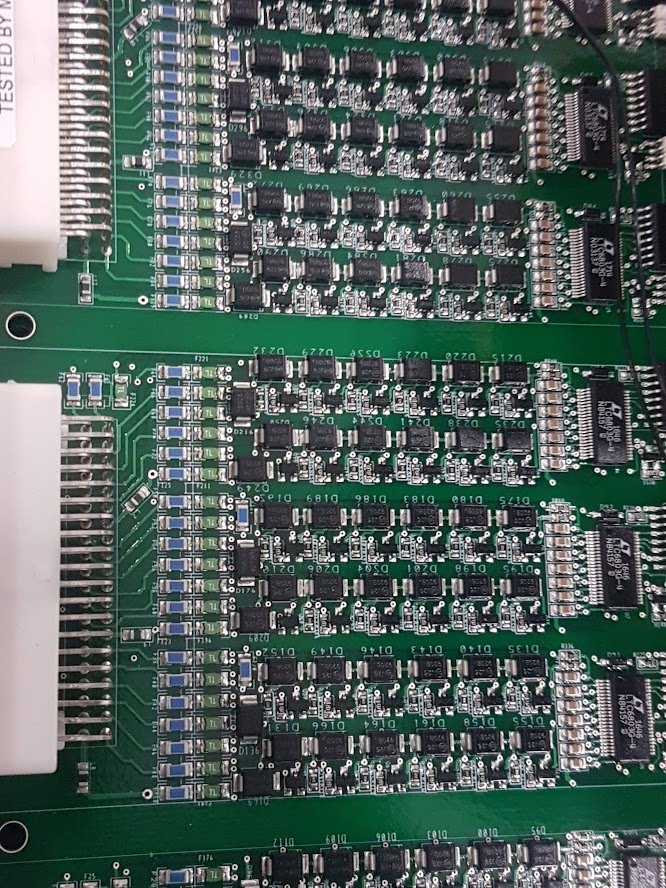
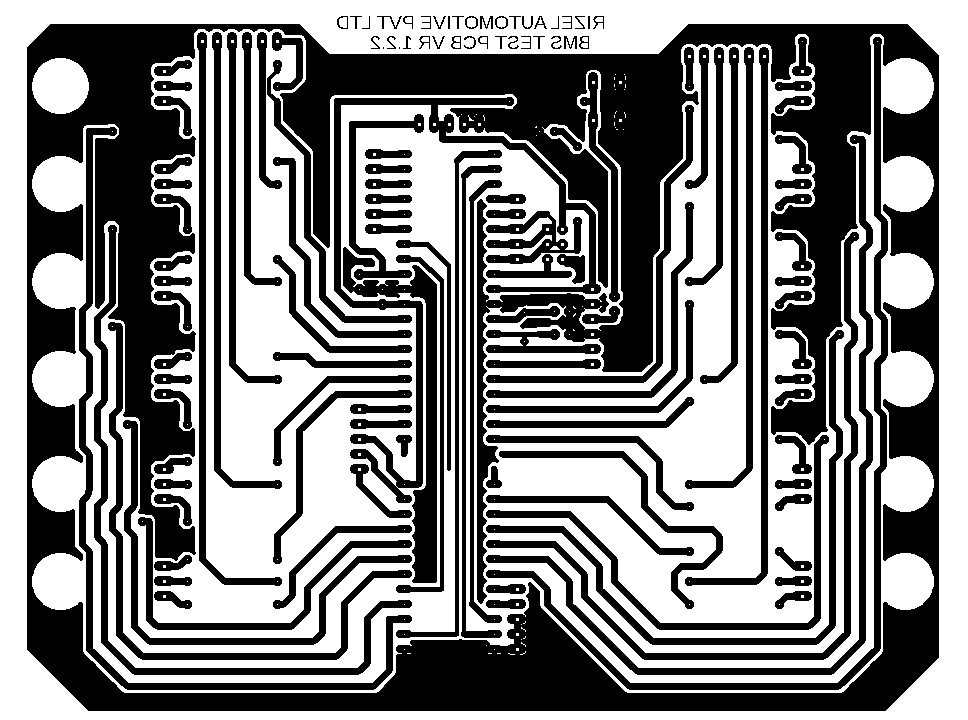
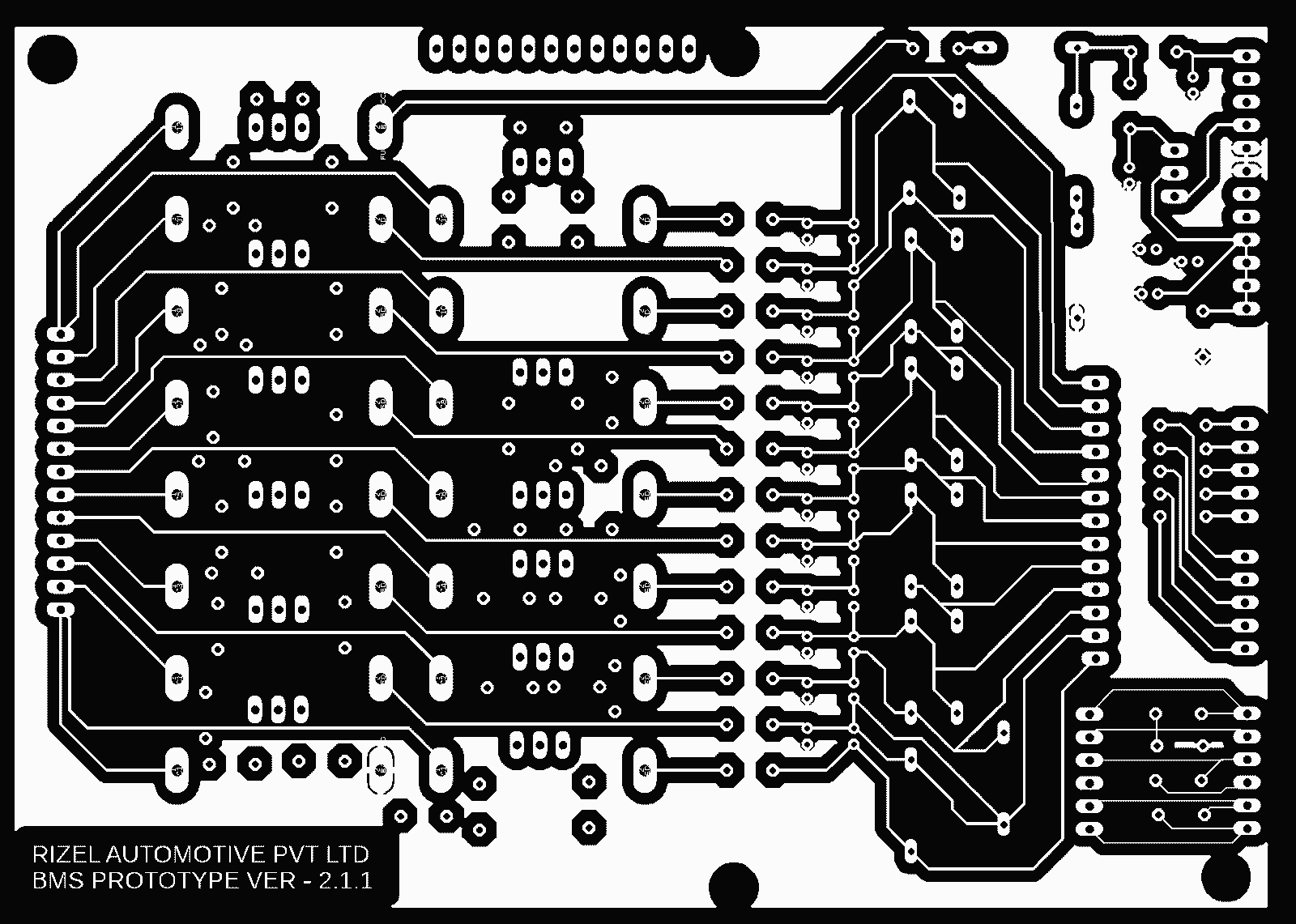

The 3D battery model is an original reconstruction from the real architecture. The board images are the program's real PCB design files (test revisions 1.2.1 and 1.2.2, prototype ver 2.1.1); the assembly video is the program's CAD animation.